
AI
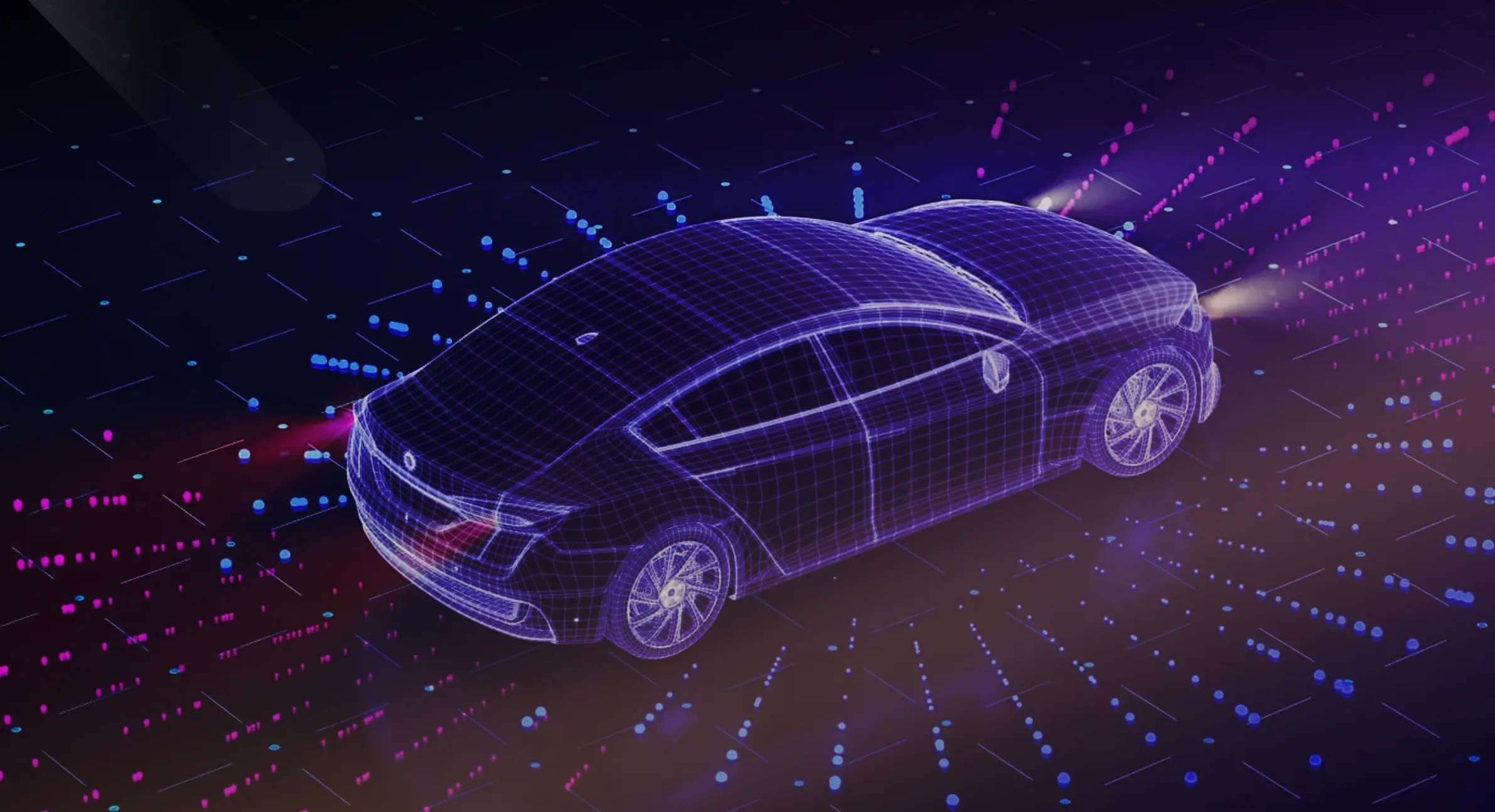
This report explores the adaptability gap between humans and artificial intelligence. It focuses on why autonomous vehicles still fail to match human drivers in real world conditions. While AI excels in data processing and perception, humans possess a computational self. This is an intrinsic self awareness that enables rapid and context sensitive adaptation. This uniquely human capability remains beyond the reach of machines for now.
The promise of autonomous vehicles is based on the assumption that they will eventually surpass human drivers in safety and efficiency. The goal is to eliminate human error because it is the final failure in the causal chain for the vast majority of vehicular crashes. According to the National Highway Traffic Safety Administration National Motor Vehicle Crash Causation Survey, driver error is the final failure in the chain of events leading to approximately 94 percent of motor vehicle crashes.
If autonomous vehicles could perfectly see and perceive the road and never got tired or distracted, they might prevent about one third of all crashes. Specifically, this accounts for 34 percent of incidents. But roughly two thirds of crashes would still remain. This 66 percent stems from decision making, planning, or predicting errors rather than perception problems. This distinction between what machines can see and what they can understand highlights a deeper limitation. Perception alone does not equal adaptability.
Modern AI uses sensors like LiDAR and cameras to build a mathematical map of the world. However, a human driver uses a mental model of social intent. This is known as Theory of Mind. When a human sees a pedestrian standing near a curb, they do not just see a dynamic object with a velocity vector. They see a person who might be distracted by a phone or someone looking for a gap to run across.
Humans use their computational self to simulate the internal state of others. We ask ourselves what we would do in that person's position. Current AI lacks this ability to empathize or predict social nuances. It treats every object as a data point to be tracked rather than an agent with a purpose. This leads to a rigid style of driving that cannot handle the unwritten rules of the road such as making eye contact at a four way stop or nudging forward to signal intent in heavy traffic.
Artificial intelligence relies on pattern recognition from massive datasets. It performs well in scenarios it has seen thousands of times before. Human intelligence thrives in the long tail of rare events. These are the strange and unpredictable moments that occur once in a lifetime.
A human driver knows that a plastic bag blowing across the highway is harmless but a large rock is a danger. To an AI sensor, both might look like a generic obstacle. This leads to phantom braking where the car stops suddenly for no reason or failing to recognize a unique hazard like a construction worker using hand signals instead of a sign. Until AI can develop a sense of causal reasoning to understand why things happen, it will continue to struggle with the complexity of the human world.
The gap between human and machine driving is not a matter of faster processors or better cameras. It is a fundamental difference in how we process reality. Humans drive using an embodied experience of the physical world and a social understanding of other people. AI drives by solving a massive math problem. While the math is getting better, it still lacks the computational self required to navigate the messy and beautiful logic of human behavior.